


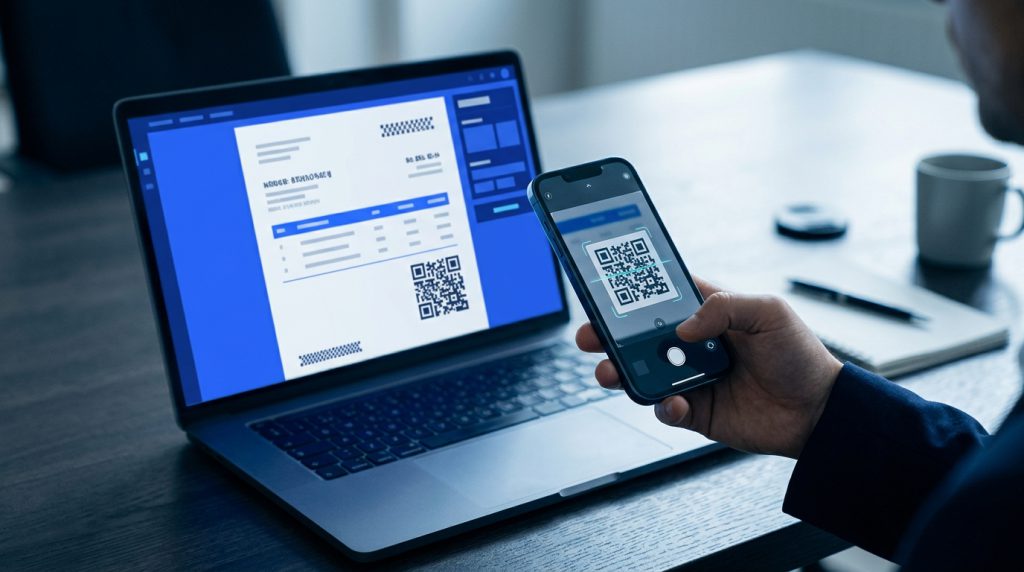
Electronic invoicing is being introduced across the Gulf as tax authorities move toward digital, data-driven VAT administration. Saudi Arabia implemented its framework first, the UAE and Oman have since confirmed their own phased rollouts, and Bahrain is progressing along a similar path.
What e-invoicing means
E-invoicing is not simply sending an invoice as a PDF. It refers to issuing invoices in a structured, machine-readable format that can be transmitted to, or validated by, the tax authority’s systems. In a clearance model, an invoice is submitted for validation before or shortly after issuance, and is only treated as a valid tax invoice once it passes.
The position in Bahrain
The National Bureau for Revenue (NBR) is the authority responsible for VAT in Bahrain and is leading the development of the e-invoicing framework. Over recent years the NBR has reviewed the supporting legal framework, tendered for a central platform to receive and validate invoice data, and consulted with businesses on invoicing volumes and technical standards.
Market expectation is that any mandate will be introduced in phases, beginning with larger taxpayers and extending over time to the wider VAT-registered population. However, no confirmed implementation timeline has been officially published at the time of writing, and businesses should treat NBR announcements as the only authoritative source on dates and scope.
Separately, VAT-registered persons in Bahrain are already permitted to issue and retain invoices in electronic form without obtaining prior approval from the NBR.
Existing invoicing obligations
Irrespective of e-invoicing, Bahrain’s VAT legislation already requires a VAT-registered person to issue a tax invoice for taxable supplies, containing prescribed particulars including the VAT account number, invoice date, taxable amount, and the VAT rate and amount. Invoices and related records must be retained for the period specified in the VAT legislation and made available to the NBR on request.
Practical steps businesses can take now
Preparation for e-invoicing is largely a matter of data and process quality, and each of the following is worthwhile regardless of the eventual timeline:
- Ensure customer and supplier master records are complete and accurate, including valid VAT account numbers and correct legal names.
- Review a sample of issued invoices against the mandatory tax invoice particulars set out in the VAT legislation.
- Confirm whether your accounting system can produce invoice data in a structured format, and ask your software provider about its Bahrain e-invoicing roadmap.
- Identify any invoices or credit notes raised outside the main accounting system, and bring them into a controlled process.
- Reconcile the invoice ledger to the VAT return so that reported figures can be traced to underlying documents.
Further information
The NBR publishes guidance and announcements relating to VAT and e-invoicing on its official website.